THE FOLD
Count the folds
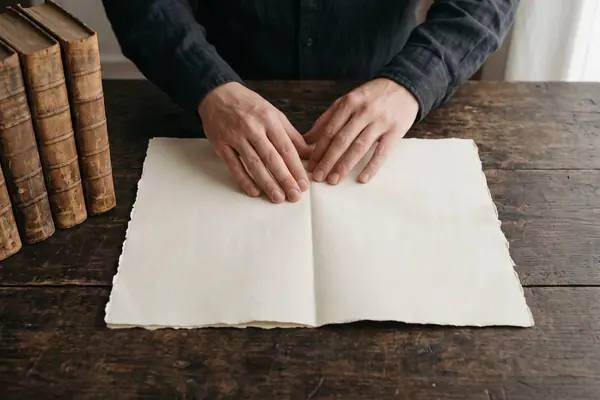
Fold a sheet once for two leaves, four pages: a folio. Twice gives four leaves, a quarto. Three times gives eight leaves, sixteen pages: an octavo.
Try a fold mydoodlebook
00HOW OLD BOOKS WERE MADE
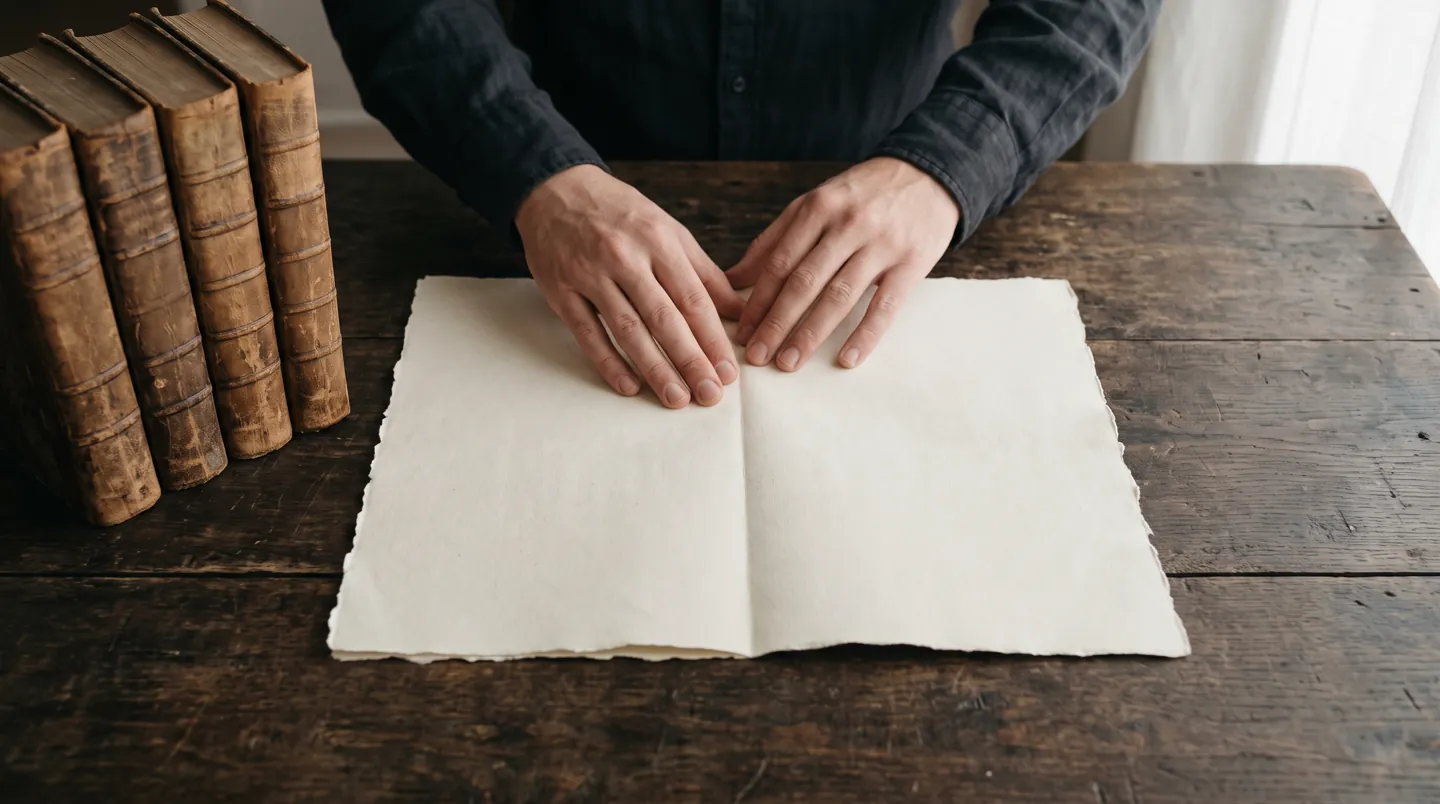
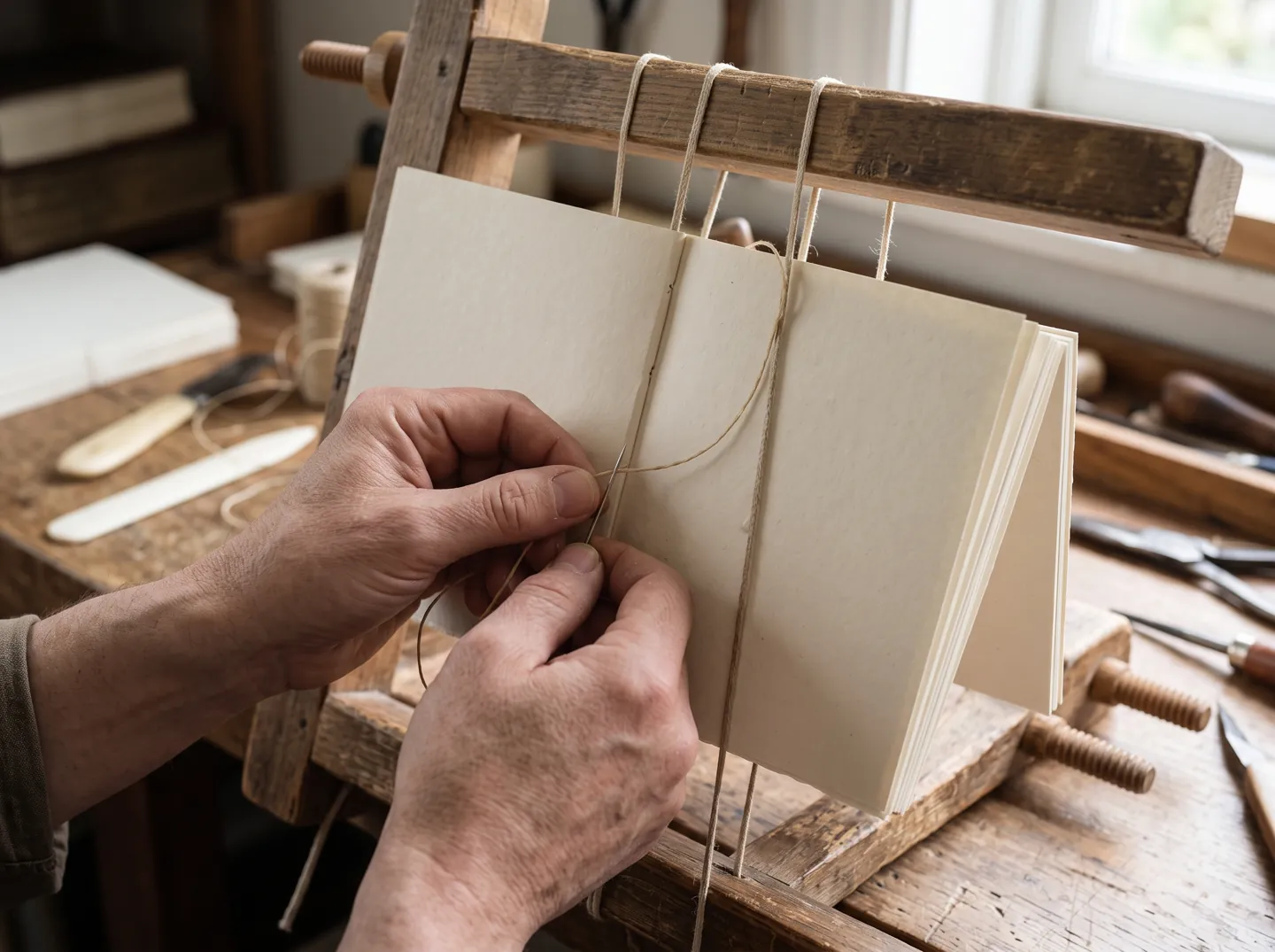
Before the 1800s, a book began as a pile of big printed sheets.
Printers set several pages on each side of a sheet, then folded it and cut it into leaves. How many times they folded it gives the book its name: folio, quarto or octavo.
Try a fold01Principles
02THE SHORT ANSWER
Catalogues write it as 2°, 4°, 8° and so on.
The number is how many leaves one sheet made.
THE FOLD
Fold a sheet once for two leaves, four pages: a folio. Twice gives four leaves, a quarto. Three times gives eight leaves, sixteen pages: an octavo.
Try a foldTHE SIZE
A folio is likely to be bigger than a quarto, but the finished size depends on the sheet. The University of Liverpool says folios range from about 30.5 cm to 48 cm.
See the numbersTHE BINDING
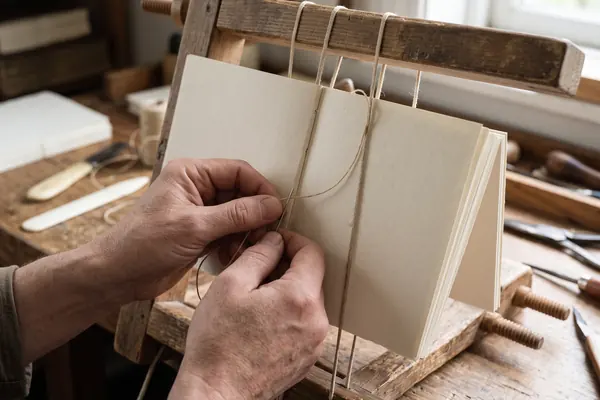
The folded sheets form gatherings of leaves, and the gatherings are sewn together to make the whole book.
Read a catalogue03A QUICK FOLD CHECK
Pick a format to see what one printed sheet became. The bar shows how large each leaf is compared with the original sheet.
Hand-press era books, roughly up to the early 1800s. Leaf sizes depend on the sheet the printer used.
04TWO NUMBERS WORTH KNOWING
One famous case shows how format shaped survival:
small quartos and a large folio.
18
Plays printed as quartos in the author's lifetime
The Folger says 18 of Shakespeare's plays were printed in his lifetime as quartos, sold in flimsy bindings or none at all. Some survive in only a single copy.
QUARTOS · FOLGER
220+
First Folios known to survive
Wadham College Library says there are at least 220 First Folios in the world. Its large, expensive format, probably kept in a library rather than carried, helped so many survive.
THE 1623 FOLIO · WADHAM COLLEGE
Wadham College Library notes the First Folio collected thirty-six plays, and almost twenty of them would not survive at all without it.
05READING A CATALOGUE ENTRY
Library catalogues for old books often note the format in the description. Here is how to read it.
Look for 2°, 4°, 8° or 12° in the description field, or the forms fo, 4to, 8vo and 12mo.
2° is one fold, 4° two folds and 8° three. Higher numbers mean more folds and smaller leaves.
Format is not a fixed size. Look at the height in centimetres as well, because sheet sizes varied.
Large books were made to be shown off or read by many; small ones to be carried and sold cheaply.
06WHY FORMAT MATTERS
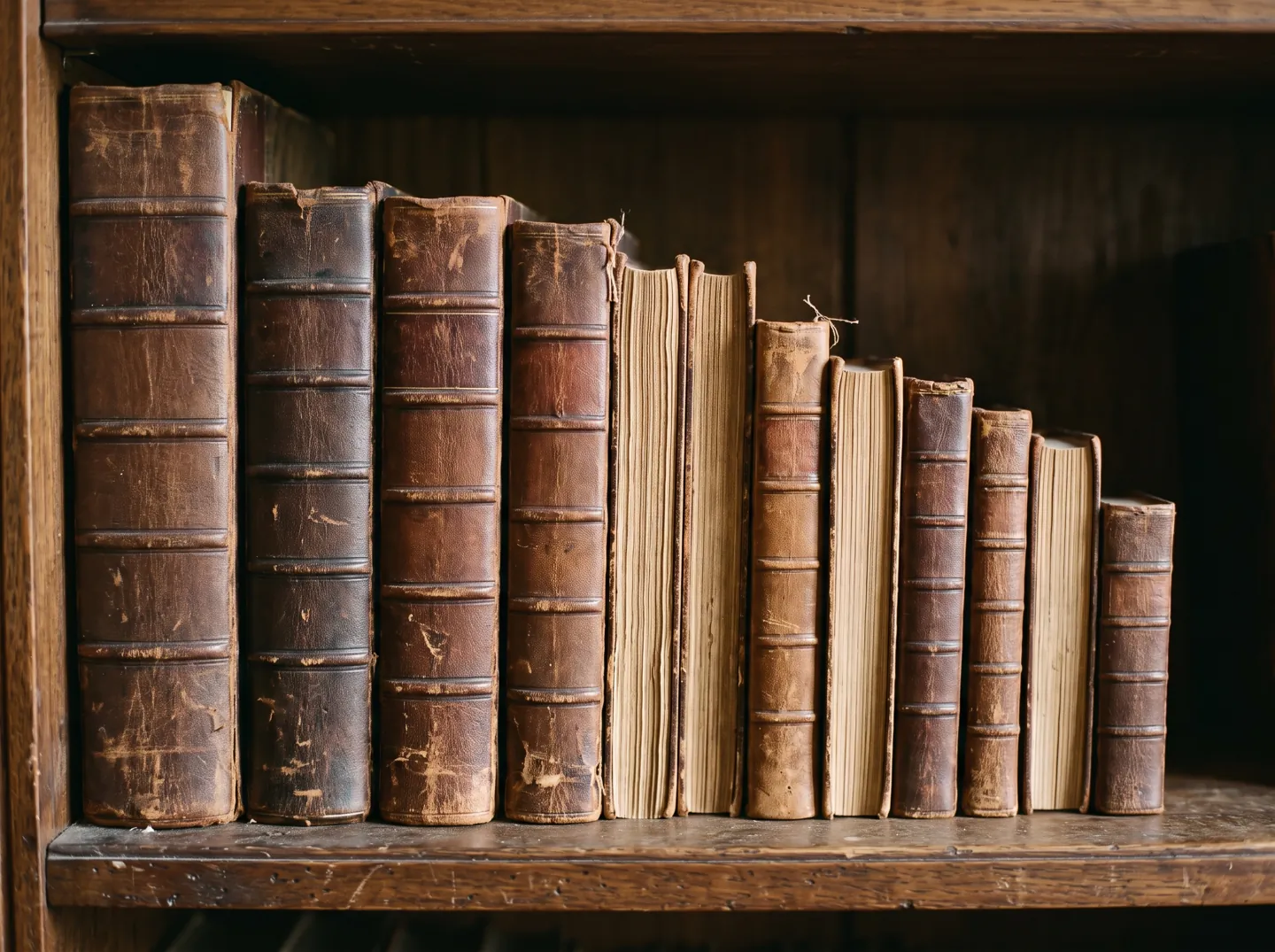
Format hints at how a printer saw a book. Smaller formats could be printed more quickly and used less paper and less binding material, so they could be sold more cheaply. Paper was expensive, and Wadham College notes that the First Folio was a huge investment for its printers.
Format also hints at use. The University of Liverpool contrasts a two-volume Bible printed in Nuremberg in 1475, nearly half a metre tall, with a student's chemistry pocket-book of 1844 that is 17 cm.
07Questions
A folio is a book made from sheets folded once, giving two leaves or four pages per sheet. Catalogues write it as 2° or fo. Each page is half the size of the original sheet.
A quarto sheet is folded twice to make four leaves, eight pages. An octavo sheet is folded three times to make eight leaves, sixteen pages, so its leaves are usually smaller.
Usually, but not always. The finished size depends on the size of the sheet, which varied in the hand-press period. The University of Liverpool says folios range from about 30.5 cm to 48 cm.
They are short forms for quarto and octavo, also written 4° and 8°. You will see them in library and bookseller descriptions of old books.
Cataloguers use marks within the paper to work out how many times a single sheet was folded, according to the University of Liverpool's Special Collections.
08Sources
ABOUT THIS NAME
mydoodlebook.com is part of the DoodleSale portfolio. It isn't in an auction right now, but you can ask about leasing it.